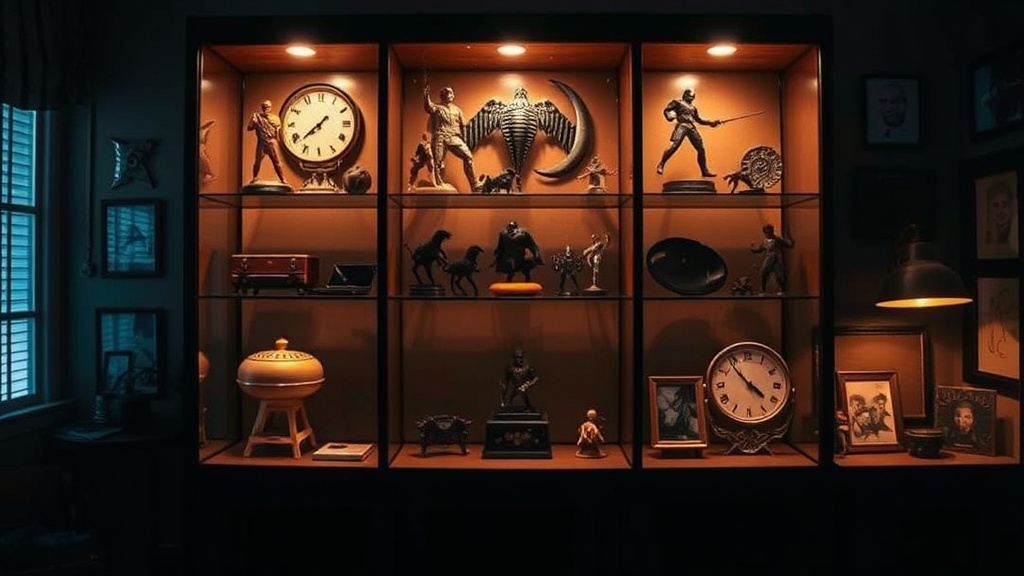
Building a Themed Display Case for Your Signature Collection

This guide explains how to design, build, and organize a themed display case for your signed jersey collection. You'll learn how to select the right materials, choose a cohesive theme, and protect your high-value items from environmental damage.
How Do I Choose a Theme for My Collection?
A successful theme relies on a single unifying factor, such as a specific era, a specific athlete, or a particular sport. If you just throw everything into a glass box, it looks like a cluttered shelf rather than a curated exhibition. You want a narrative that tells a story when someone looks at your display.
Common themes include:
- The Era Approach: Grouping items by a specific decade, like the 1990s NBA era. This works well if you have several jerseys from a specific time period.
- The Legend Approach: Dedicating a single, large case to one icon—for example, a Michael Jordan or Tom Brady display.
- The Team Approach: Focusing on a single franchise, such as the New York Yankees or the Dallas Cowboys.
- The Sport Approach: Mixing different types of memorabilia, like a signed baseball cap alongside a jersey, all within a specific sports category.
Think about what drives your interest. Are you a fan of the history of the game, or do you just love the aesthetic of certain vintage fabrics? Deciding this early saves you from buying a case that's too small for your future acquisitions. If you're already deep into a collection, you might want to check out my previous post on organizing your collection by player and era to see how to group your items before you build the case.
One thing to keep in mind: don't over-complicate it. A simple, clean theme is much more striking than a busy one. If you try to include too many different elements, the visual "noise" makes it hard to focus on the actual signed pieces.
What Materials Should I Use for Display Cases?
High-quality display cases must be constructed from UV-resistant acrylic or museum-grade glass to prevent fading and degradation. Using subpar materials can lead to the yellowing of white jerseys or the fading of ink signatures over time.
When you're shopping for materials, look for these specific qualities:
- UV Protection: This is non-negotiable. Sunlight and even some indoor lighting can destroy a signature. Look for UV-filtering acrylic (often branded as Plexiglas) if you aren't using glass.
- Acid-Free Backing: Ensure the backing material won't off-gas or react with the jersey fabric.
- Depth: Jerseys are bulky. You need a case with enough depth to prevent the fabric from touching the front pane, which can cause moisture buildup or even mold.
If you're displaying items in a room with high humidity, you'll need to be even more careful. I've written extensively about storing signed jerseys in high humidity environments, and the same rules apply to your display cases. You might even consider adding a small silica gel packet inside the base of the case to manage moisture levels.
Standard glass is great for clarity, but it's heavy and can be dangerous if it breaks. Acrylic is much lighter and more durable, making it a favorite for collectors who want to hang their displays on walls. However, cheap acrylic can scratch easily. If you're going to be cleaning your display often, stick to high-grade materials.
| Material Type | Pros | Cons |
|---|---|---|
| Acrylic (Plexiglas) | Lightweight, shatterproof, easy to cut. | Scratches easily, can have a static charge. |
| Tempered Glass | Extremely clear, scratch-resistant. | Heavy, can shatter, requires more support. |
| Standard Acrylic | Inexpensive, widely available. | May yellow over time if not UV-protected. |
How Much Does a Custom Display Case Cost?
The cost of a custom display case typically ranges from $150 to over $1,000 depending on the size, materials, and specialized features. A simple acrylic box for a single jersey might be inexpensive, but a large-scale, multi-compartment museum-grade case is a significant investment.
Here's a breakdown of what drives the price up:
The Material: Real glass is more expensive than plastic, but specialized UV-filtering acrylic is often the priciest option. If you want the highest level of protection, you'll pay a premium.
The Size: A single-jersey case is a different beast than a large wall-mounted case that holds five or six items. The larger the footprint, the more structural support you need.
Customization: Do you want built-in LED lighting? Do you want a custom-engraved nameplate at the bottom? These details add a lot to the final bill. Lighting is great for making the colors pop, but you have to ensure the LEDs don't produce heat. Heat is the enemy of signed memorabilia. If you use lighting, make sure they are cool-running LEDs.
For those on a budget, you can buy high-quality frames and then build your own custom internal mounts. This is a great way to get a professional look without the custom-build price tag. You can learn the basics of the framing process in my guide on how to properly frame and display your signed jerseys at home.
A quick tip: always check the dimensions of your largest item before you buy anything. There is nothing more frustrating than buying a beautiful case only to realize your vintage heavyweight jersey won't fit comfortably inside. You'll want at least an inch of "breathing room" on all sides to prevent the fabric from looking cramped.
If you're looking at professional display options, you might research the standards set by the National Archives regarding the preservation of historical documents and textiles. While they deal with much older items, the principles of light and temperature control are identical.
The lighting you choose matters. If you're using a case with internal lights, place them at the edges rather than directly against the jersey. You want to highlight the item, not bake it. LED strips are the industry standard here because they stay cool and don't emit much light-based heat.
Lastly, consider the placement of the case. A display case that sits in a sun-drenched room is essentially a slow-motion oven for your collection. Even with UV-protected glass, constant direct sunlight is a risk. It's better to have a slightly dimmer room with a well-lit case than a bright room with a poorly protected case.
Steps
- 1
Define Your Narrative Theme
- 2
Select Your Housing Material
- 3
Incorporate Subtle Lighting
- 4
Add Contextual Accents