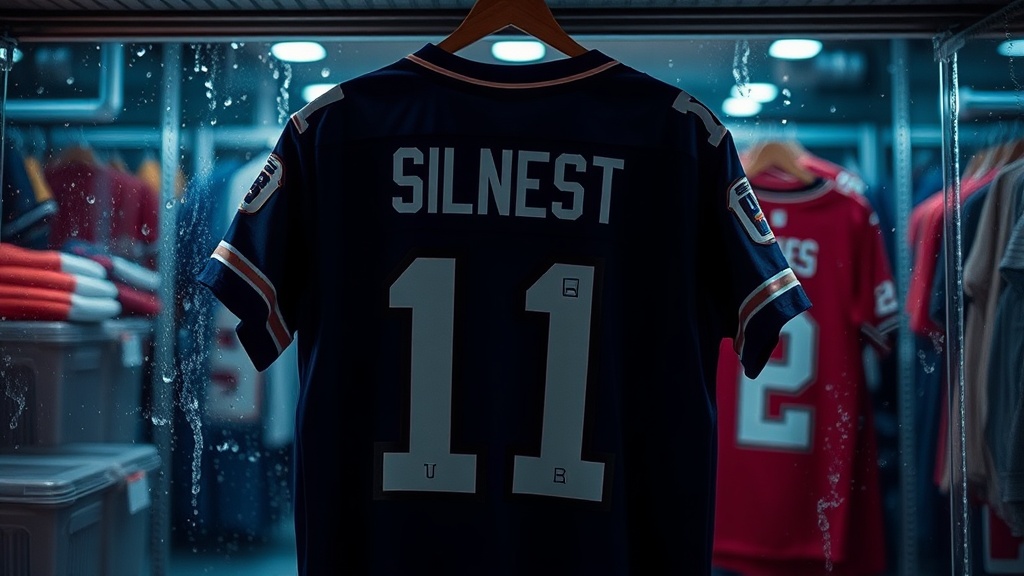
Storing Signed Jerseys in High Humidity Environments

Imagine opening a display case to find that your prized 1998 Chicago Bulls jersey has developed a faint, musty smell, or worse, the ink from a Sharpie signature is beginning to bleed into the fabric fibers. High humidity is the silent killer of high-end sports memorabilia. This guide explains how to manage moisture levels to protect your investment from mold, fabric degradation, and ink bleeding.
Why is humidity bad for signed jerseys?
High humidity causes organic materials like cotton, polyester, and leather to absorb moisture, which leads to mold growth and the physical breakdown of the signature ink. When the air is heavy with water vapor, it can also cause the adhesive in certain framing materials to fail or the ink to spread across the fabric. This isn't just about a bad smell; it's about the permanent loss of value in your collection.
The primary issue is the interaction between moisture and the chemical makeup of the signature. Most professional autographgers use permanent markers, but even "permanent" ink reacts to extreme environmental shifts. If a jersey sits in a room with 70% humidity, the moisture can soften the ink's bond to the fibers. You might notice the signature looking "fuzzy" or blurred under a magnifying glass. That's a bad sign.
Beyond the ink, the fabric itself is at risk. A heavy, moisture-laden jersey can develop "foxing"—those tiny brown spots often seen on old paper—or actual fungal growth. This is especially common with vintage jerseys made of natural fibers like wool or heavy cotton. If you're displaying a high-value item, you aren't just fighting time; you're fighting the air around it.
For more on how to prepare your items before they even hit the display, check out my previous post on buying authentic signed jerseys to ensure you aren't starting with a compromised item.
How do I control humidity in my display area?
The most effective way to control humidity is to use a dedicated dehumidifier or a climate-controlled display case equipped with silica gel packets.
Here is a breakdown of the tools you should consider for different types of storage:
| Storage Method | Best For | Pros | Cons |
|---|---|---|---|
| Silica Gel Packets | Small display cases/Shadow boxes | Cheap, easy to hide, very effective for small spaces. | Must be replaced or "recharged" frequently. |
| Electric Dehumidifier | Entire rooms/Large collections | Highly reliable and adjustable. | Can be noisy; requires a drain or manual emptying. |
| Climate-Controlled Case | Ultra-high-value single items | Precision control and protection. | Very expensive; high entry cost. |
| Archival Polypropylene Sleeves | Jerseys kept in storage (not on display) | Protects from direct air contact. | Does not stop humidity if the room is wet. |
If you are keeping jerseys in a closet or a storage bin rather than on a wall, don't just throw them in a plastic tub. Airtight bins are great, but if you trap moisture inside the bin when you seal it, you've just created a greenhouse for mold. Always include a desiccant packet inside the container before sealing it shut.
I've seen collectors use anything from rice to salt to try and "soak up" moisture, but please don't do that. It's messy and inconsistent. Stick to high-quality desiccant materials like silica gel. It's cleaner and actually works the way it's supposed to.
What are the signs of moisture damage?
You can identify moisture damage by looking for physical changes in the fabric texture, discoloration of the signature, or an unusual odor.
Watch for these specific red flags:
- Ink Bleeding: The edges of the signature look blurry or have migrated into the weave of the fabric.
- Fabric Stiffness: The jersey feels slightly damp or has a stiff, "crunchy" texture when handled.
- Discoloration: Yellowing or brownish spots appearing on white or light-colored jerseys.
- Mold Spores: Tiny black, white, or green dots appearing on the fabric or the backing board.
If you see mold, you have a problem that requires immediate action. You can't just "wipe it off." Once mold spores take hold in the fibers of a jersey, they are incredibly difficult to remove without damaging the garment. If you find mold, move the item to a dry, controlled environment immediately and consult a professional conservator.
When you're setting up your collection, remember that the display is part of the protection. If you've already gone through the effort of framing a signed jersey, you've already taken the first step toward preservation. But even a perfectly framed jersey is vulnerable if the frame itself isn't sealed against the air.
One thing to keep in mind—and this is a big one—is that many standard shadow boxes are not airtight. They are designed to look good, not to act as a vacuum seal. If you're displaying a jersey in a room with high humidity, the moisture will still seep through the seams of the frame. This is why the internal environment of the case matters just as much as the room itself.
It's also worth noting that temperature and humidity are linked. When the temperature rises, the air can hold more moisture. This is why a collection might look fine in the winter but start showing signs of distress in the summer. Consistency is your best friend. A steady 45% humidity is much better than a room that swings between 30% and 60% every day.
For those of us in Austin or similar climates, we know this battle well. The humidity isn't just a minor annoyance; it's a constant threat to the longevity of your items. I've learned the hard way that a $500 dehumidifier is a much better investment than a $5,000 replacement jersey.
If you're storing jerseys in a basement or a garage, stop. Just stop. Those are the worst possible places for memorabilia. Basements are naturally damp, and garages have way too much temperature fluctuation. Your collection deserves a dedicated, indoor space—ideally a room with stable HVAC systems.
Lastly, check your seals. If you use acrylic or glass enclosures, ensure the gaskets are intact. If you're using a high-end display, look for brands that specifically mention "UV protection" and "moisture resistance." It's an extra cost, but it's the difference between a lifelong heirloom and a ruined piece of fabric.