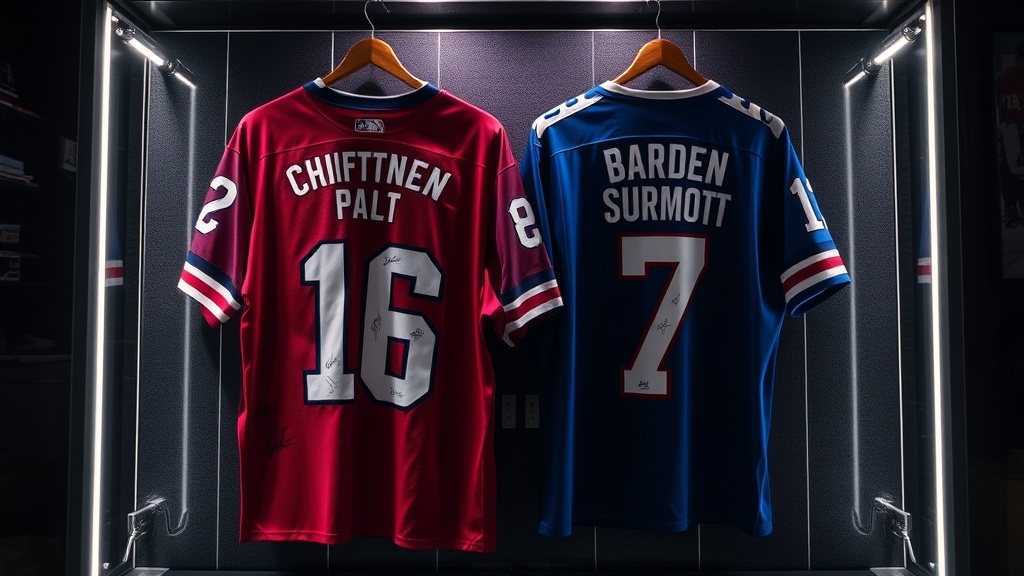
Setting Up a Professional Display for Signed Jerseys

This guide covers the specific steps you need to take to build a professional-grade display for your signed jerseys, focusing on protection, visibility, and aesthetic impact. Whether you're housing a single high-value piece or an entire wall of memorabilia, the way you present these items determines both their longevity and their visual punch.
A signed jersey isn't just a piece of fabric; it's a piece of history. When you leave a jersey hanging on a standard plastic hanger in a closet, you're asking for wayward creases and potential ink degradation. To do it right, you need to consider the structural support of the garment and the environment it lives in. If you want your collection to look like a museum exhibit rather than a laundry room, you have to get the details right from the start.
What Materials Should You Use for Jersey Displays?
The first thing you'll notice is that not all display options are created equal. Most beginners start with cheap, thin acrylic cases, but these can sometimes feel flimsy or even crack under pressure. If you're looking to display a jersey that holds significant value, you should look for high-grade, UV-resistant acrylic or high-density polyethylene. These materials are much harder to scratch and provide a clearer view of the ink signatures.
For the internal structure, avoid using wire hangers. They create sharp tension points that can eventually tear the fabric or distort the shape of the jersey. Instead, use a custom-fitted jersey hanger or a specialized mannequin form. A well-structured form ensures the weight of the jersey is distributed evenly across the shoulders, preventing that dreaded "hanger bump" that ruins the silhouette. If you're displaying a heavy, long-sleeve jersey, the weight can actually pull the collar out of shape over time if the support isn't sturdy enough.
- Acrylic Shadow Boxes: Great for depth and a premium look.
- Custom Mannequins: Best for showing how the jersey actually drapes.
- UV-Protected Glass: Non-negotiable if the jersey is near a window.
One thing to keep in mind is the weight. A heavy, authentic jersey can be surprisingly heavy, especially if it's an older, thicker fabric. Make sure your mounting system is rated for the weight of the garment. I've seen collectors try to use lightweight wall mounts only to have the whole thing sag or even fall, which is a nightmare for the fabric. Check the weight capacity of your frames before you hang them.
How Do I Prevent Ink Fading in My Collection?
The biggest enemy of a signed jersey is light. It doesn't matter how beautiful the signature looks today; if you leave it under direct sunlight, that ink will fade into nothingness. This is especially true for permanent markers used on fabric, as the light breaks down the chemical bonds in the pigment. You might think your display case is enough, but unless that case is specifically rated for UV protection, you're still at risk.
If you can't move your display away from windows, you must use UV-filtering glass or acrylic. Many high-end display cases will explicitly state their UV rating. If you're using a shadow box, look for one that offers 99% UV protection. It’s a small price to pay to keep a legendary signature from becoming an illegible smudge. You can learn more about the long-term effects of light on materials through resources like the Library of Congress preservation guidelines, which discuss how light impacts various media.
Beyond UV rays, ambient light from LED or fluorescent bulbs can also cause issues over long periods. While LEDs are much cooler and safer than old-school incandescent bulbs, constant exposure to any light source can lead to gradual degradation. I always suggest a "rotation" method—if you have multiple jerseys, don't keep them all on display at once. Rotate your collection every few months to minimize the total light exposure for each piece.
Is It Better to Use a Frame or a Mannequin?
The choice between a frame (shadow box) and a mannequin comes down to the vibe you want for your room. A shadow box is the standard for a "gallery" look. It feels permanent, protected, and very formal. It also keeps the jersey flat and prevents it from moving, which is great if you're displaying it in a high-traffic area. However, a frame can sometimes make a jersey look a bit static and two-dimensional.
On the other hand, a mannequin or a specialized jersey bust provides a three-dimensional experience. It shows the actual shape and movement of the garment. This is much better for capturing the "spirit" of the athlete, but it requires more space and a more controlled environment. You can't just lean a mannequin against a wall; it needs a stable base and a way to be protected from dust. If you go the mannequin route, you'll likely need a custom-built glass cabinet to prevent dust from settling into the fabric fibers.
| Feature | Shadow Box (Frame) | Mannequin (Bust) |
|---|---|---|
| Visual Style | Classic, museum-like | Dynamic, lifelike |
| Protection | High (sealed environment) | Moderate (requires cabinet) |
| Space Needed | Wall space | Floor or shelf space |
| Complexity | Easier to hang | Requires more setup |
If you're just starting out, I recommend the shadow box. It's a safer bet for protecting the ink and the fabric simultaneously. It keeps everything contained and makes it much easier to hang on a wall without worrying about the jersey sliding down or tilting. If you're looking for more technical details on material durability, the American Chemical Society has great resources on how various chemicals and light-induced reactions affect different surfaces.
Always remember that the goal is to balance aesthetics with preservation. A display that looks amazing but destroys the jersey within two years isn't a successful display—it's a failure. Take the time to choose materials that respect the item you've worked so hard to acquire. A little bit of foresight goes a long way in keeping your collection in top-tier condition.