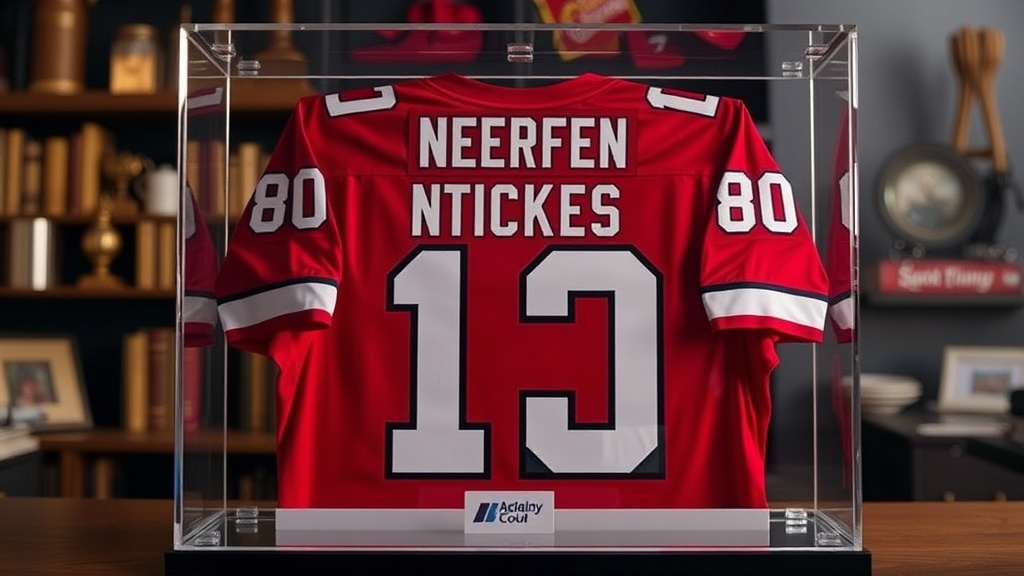
Selecting the Right Acrylic Case for Your Signed Jersey

Why does the choice of display case matter for your collection?
Have you ever wondered why some collectors' jerseys look brand new while others look yellowed, wrinkled, or even damaged? It isn't just about luck or how much you spent on the item; it's about the physical environment surrounding the fabric. When you invest in a signed jersey, you're buying more than just a piece of clothing—you're buying a piece of history. Protecting that history requires more than just a shelf. You need a barrier that shields the item from dust, moisture, and physical degradation.
Choosing the right enclosure involves more than just picking a box that fits the dimensions. You have to consider material quality, UV protection, and how the jersey sits within the frame. A bad choice can actually accelerate the fading of an autograph or the degradation of the fabric fibers. This guide covers the technical side of selecting high-grade acrylic cases to ensure your collection remains in top condition for decades.
What should you look for in an acrylic display case?
The first thing to check is the grade of the acrylic. Not all plastic is created equal. Cheap, thin plastics can bow under their own weight or even crack if the temperature shifts. You want to look for high-grade, UV-resistant acrylic. UV rays are the silent killers of memorabilia; they break down the chemical bonds in ink and fabric dyes. If you aren't using a case with built-in UV protection, your signed jersey is essentially sitting in a slow-motion light bath that will fade the autograph within years.
Keep an eye out for these specific features:
- Thickness: Look for at least 3mm or thicker for the main panels to prevent warping.
- Clarity: The material should be crystal clear without a blue or yellow tint.
- Sealing: A good case should have a way to seal the edges to prevent dust from entering.
- Weight: A heavier case usually indicates higher quality and better stability.
If you are serious about your collection, you might want to look at the standards set by professional grading-style enclosures. Organizations like PSA often set the standard for how items are protected, even if you aren't submitting your jersey for grading. The goal is to mimic that level of structural integrity.
How do you determine the correct size for your jersey?
One of the most common mistakes I see is buying a case that is too tight. A jersey should never be tightly compressed into a frame. When you pull a jersey taut to fit a specific frame, you risk stretching the stitching or creating permanent creases in the fabric. These creases can eventually become permanent even if you take the jersey out later. Always leave at least an inch of "breathing room" around the edges of the jersey.
The depth of the case is also vital. If the case is too shallow, the jersey might touch the front pane. This is a huge red flag. If the fabric touches the acrylic, it can trap moisture or even stick to the surface if the humidity rises. A deeper case allows for better airflow and ensures the jersey maintains its shape without being crushed.
Can a display case prevent ink fading?
It's a common misconception that a case alone stops fading. A case is a shield, not a magic wand. While UV-resistant acrylic provides a significant layer of defense, it won't stop all light damage. To truly protect a signature, you need to combine a high-quality case with proper room placement. Avoid placing your display near windows or under direct sunlight, regardless of the case quality.
For those looking for more technical data on how light affects materials, the Library of Congress provides extensive resources on how light and environmental factors affect various types of media and historical artifacts. Understanding these principles helps you realize that the case is just one part of a larger preservation strategy.
What are the different types of mounting styles?
Depending on the look you want, there are a few ways to mount a jersey inside a case. Most collectors use one of these three methods:
- The T-Bar Method: This uses a small rod or hanger to hold the jersey from the neck. It's great for showing the natural drape of the garment.
- The Foam Board Method: The jersey is pinned or pinned to a custom-cut piece of acid-free foam board. This provides a very flat, clean look.
- The Custom Stitching Method: For high-end displays, some collectors have the jersey lightly stitched to a backing. This is more permanent and requires a professional touch.
Regardless of the method, always ensure that any materials touching the jersey—pins, glue, or backing—are acid-free. Acid in cheap cardboard or low-grade foam can cause "acid burn," which leaves yellow stains on the jersey over time. This is a nightmare to fix and can drastically lower the value of your piece.
When you're out there hunting for the perfect display, don't settle for the first cheap option you see on a generic marketplace. A high-quality acrylic case is an investment in the longevity of your collection. It's the difference between a jersey that looks like a piece of cloth and a jersey that looks like a museum-quality artifact.