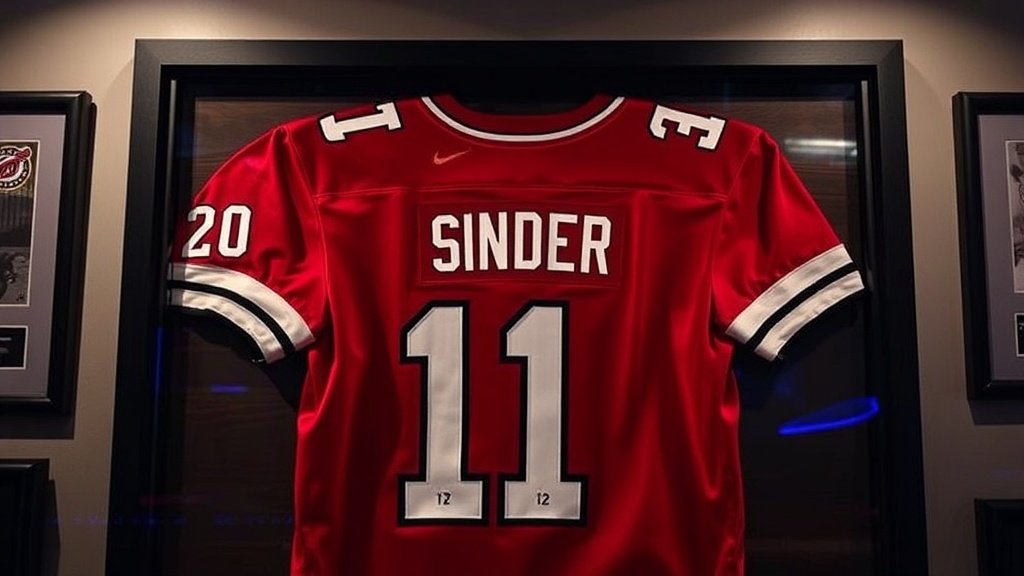
How to Properly Frame and Display Your Signed Jerseys Like a Pro

A signed jersey isn't just fabric and ink—it's a piece of sports history hanging on the wall. Whether collecting a game-worn Michael Jordan Bulls jersey or a commemorative piece from a local team's championship run, proper framing transforms a simple garment into museum-quality display art. This post breaks down everything needed to protect that investment: frame types, UV protection, mounting techniques, and the mistakes that ruin thousands of jerseys every year. For collectors serious about preserving value (and aesthetics), the details matter.
What's the Best Type of Frame for a Signed Jersey?
Shadow boxes win—every time. Standard frames flatten fabric against glass, creating moisture traps and distortion. Shadow boxes create depth, typically 1.5 to 3 inches, allowing the jersey to hang naturally while protected behind glass or acrylic.
The market offers three main shadow box styles worth considering:
- Wood composite frames — Affordable ($40–$80), decent weight, but can warp in humid environments like Houston garages or Florida basements.
- Solid hardwood frames — Oak, walnut, or cherry options from brands like Michaels and Frame Destination run $120–$300. These age beautifully and support heavier display setups.
- Metal frames — Aluminum options (popular from Artifact Uprising and Framebridge) offer modern aesthetics and superior moisture resistance. Priced between $150–$400.
Here's the thing: depth matters more than material. A jersey needs at least 2 inches of clearance—anything less crimps sleeves and bunches the shoulders. The Blick Studio 24"×36" deep shadow box has become a collector favorite at $89, offering 2.5 inches of depth and acid-free backing. Worth noting—Blick runs 40% off framing sales quarterly.
Pro tip from Leandro Garcia's collection room in Austin: match frame color to jersey palette, not wall paint. A navy frame against navy fabric disappears. Contrast creates visual pop.
How Do You Protect a Signed Jersey from Fading and Damage?
UV protection is non-negotiable. Autographs fade. Period. Sunlight destroys Sharpie and fabric pen ink within months—sometimes weeks in direct south-facing exposure. The solution: UV-filtering glass or acrylic with at least 99% blocking capability.
There are two protection tiers:
| Protection Level | Blocks UV | Price per 24"×36" | Best For |
|---|---|---|---|
| Standard glass | ~45% | $15–$25 | Closets, basements, zero natural light |
| Conservation glass | 99% | $60–$90 | Most residential rooms |
| Museum glass/acrylic | 99%+ anti-reflective | $150–$250 | Valuable signatures ($500+), galleries, offices |
Acrylic—specifically Tru Vue Optium Museum Acrylic—has become the gold standard for serious collectors. It's half the weight of glass, shatter-resistant, and offers superior UV blocking. The downside? Static attracts dust, and microfiber cleaning (lightly dampened) becomes part of the monthly routine.
That said, glass isn't dead. Tru Vue's Museum Glass eliminates glare almost completely—viewing angles don't matter anymore. For jerseys displayed in living rooms where guests view from couches and doorways, anti-reflective coating changes everything.
Temperature and humidity control round out protection. Ideal conditions: 65–75°F with 45–55% relative humidity. Bathrooms, kitchens, and exterior walls (especially in Austin's heat or New Orleans humidity) accelerate deterioration. The catch? Most collectors don't have dedicated climate control for display rooms. A small dehumidifier (the Home Depot-stocked Eva-Dry E-333 runs $25) positioned nearby helps.
Should You Use a Professional Framer or DIY?
It depends on jersey value and skill level. DIY framing saves $200–$400 but carries risk—improper mounting damages fabric permanently. Professional framers (especially those certified by the Professional Picture Framers Association) offer archival materials and insurance-backed guarantees.
For jerseys valued under $150, DIY makes financial sense. For authenticated game-worn pieces or signatures from Hall of Fame athletes, professional framing pays for itself in preservation.
The mounting method separates amateurs from pros. Never—never—pin, staple, or tape a jersey directly to backing. Fabric stress creates permanent holes and adhesive residue destroys autographs. Professional framers use:
- Sewing mounts — Invisible thread (clear monofilament) secures the jersey at shoulder seams and bottom hem. Reversible, zero damage.
- Velcro strips — Soft side sewn to jersey, hook side to mat board. Allows repositioning without stress.
- Display forms — Lightweight foam torso inserts that fill the jersey naturally, creating dimension without tension.
Frame Destination sells jersey mounting kits ($35) including acid-free foam core, clear thread, and positioning guides. The process takes 2–3 hours for first-timers—including watching YouTube tutorials. This tutorial from a professional Austin framer walks through each step without rushing.
Professional framing at shops like FastFrame or The Great Frame Up runs $300–$800 depending on materials and size. Complex setups—jerseys with photos, tickets, or commemorative patches—push costs higher. Turnaround averages 2–3 weeks during holiday seasons (football and basketball playoffs create massive demand spikes).
How Do You Arrange Multiple Jerseys in a Collection?
Gallery walls require planning. Spacing, alignment, and thematic grouping separate cohesive displays from chaotic clutter. The rule of thirds applies—hang frames so the jersey's center sits roughly 57–60 inches from the floor (average eye level).
For multiple jerseys, consistency matters. Mixing frame styles (black wood beside silver metal beside ornate gold) looks unintentional. Pick one frame line and vary sizes to accommodate jersey cuts—hockey sweaters demand wider frames than soccer kits.
The Austin collector community has adopted a popular arrangement: chronological by championship era. Five Dallas Cowboys jerseys from Super Bowl years, framed identically, hung in timeline order. The visual story resonates stronger than random placement.
Lighting completes the presentation. Track lighting with LED bulbs (3000K warm white) positioned at 30-degree angles eliminates glare while highlighting signature placement. Avoid recessed can lights directly above—heat buildup (even from LEDs) damages fabric over years. Picture lights attached to the frame top offer targeted illumination without wall damage.
Spacing between frames: 3–4 inches minimum. Closer feels crowded. Wider disconnects the collection visually. Use a laser level (the Bosch GLL 30 at $50 from Amazon) for precise alignment—cockeyed frames ruin the entire wall.
Display Locations to Avoid
Some spots actively destroy jerseys. Learn from others' expensive mistakes:
- Above fireplaces — Heat rises. Soot accumulates. The combination yellows fabric within two years.
- Opposite windows — Even with UV glass, prolonged direct light exposure fades signatures eventually.
- Bathrooms — Humidity spikes from showers create mold risks on backing materials.
- Exterior walls in humid climates — Condensation forms behind frames when indoor/outdoor temperature differentials exceed 20 degrees.
Insurance and Documentation Considerations
Framed jerseys represent tangible assets. Homeowners insurance often caps collectibles at $1,000–$2,500 without rider policies. Document each piece: photographs (frame open and closed), authentication certificates, and appraisals for items exceeding $5,000. Companies like Collectibles Insurance Services offer specialized policies covering theft, fire, and accidental damage during display.
The catch? Most policies require "professional-grade" framing for coverage—DIY jobs sometimes disqualify claims. Check policy language before mounting that signed Tom Brady rookie jersey above the home office desk.
Framing transforms collecting from storage into exhibition. The jersey breathes. The signature stays vibrant. And every time someone enters the room, that moment of recognition—the double-take at a legendary autograph—validates the effort. Just don't hang it crooked.