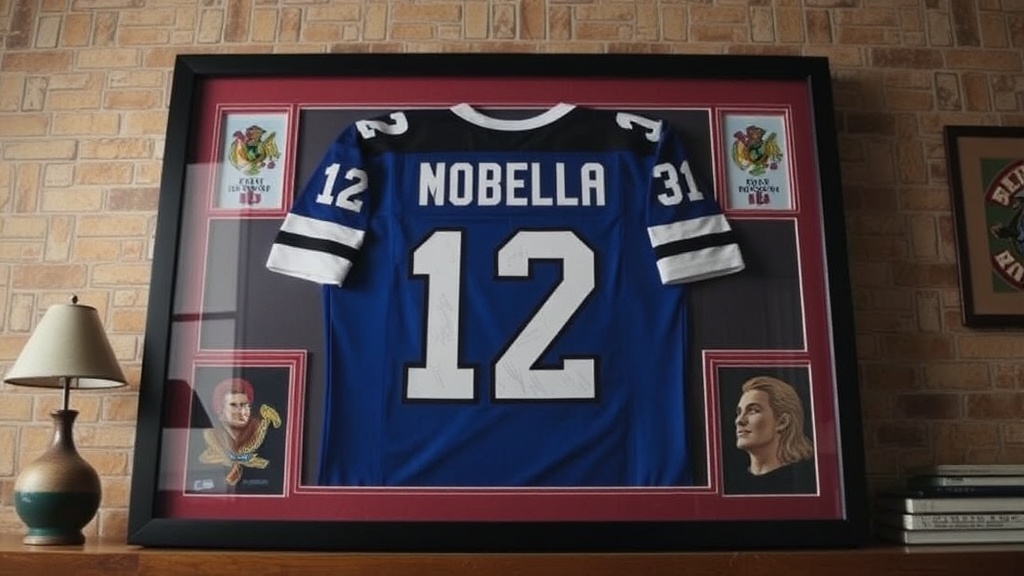
How to Frame a Signed Jersey Like a Pro (Step-by-Step Guide)

This guide covers every step of framing a signed jersey the right way — from choosing materials that won't damage fabric or fade ink to assembling a display that looks like it belongs in a collector's lounge. Whether the goal is protecting a five-figure investment or simply showing off a favorite player's autograph in the living room, proper framing makes the difference between a jersey that yellows in five years and one that stays pristine for decades.
What supplies do you need to frame a signed jersey yourself?
You'll need a shadow-box frame deep enough to accommodate the jersey's folds, acid-free mat board, UV-protective acrylic or glass, stainless steel pins or jersey-mounting brackets, a sewing kit (for invisible stitching), and a clean workspace with good lighting. The quality of these materials matters more than the brand name stamped on the box — cheap MDF backing or non-UV glass will cost far more in the long run when signatures fade and fabric discolors.
Here's the thing: most ready-made frames sold at big-box stores aren't deep enough for a modern hockey or football jersey. A standard basketball jersey might squeeze into a 1.5-inch depth, but hockey sweaters need at least 2 inches — preferably 2.5 — to avoid compressing the shoulder patches and crest. For UV protection, look for Tru Vue Optium Museum Acrylic or similar conservation-grade glazing. It blocks 99% of UV rays and weighs less than glass, which matters when the finished piece tips the scales at fifteen pounds or more.
Worth noting — the backing board should be 100% rag mat or acid-free foam core. Regular cardboard off-gasses chemicals that create brown spots (called "foxing") on fabric over time. The same rule applies to any tape or adhesives: if it isn't labeled archival or acid-free, don't let it touch the jersey.
Recommended Materials Checklist
- Shadow box frame: 32" x 40" or larger, minimum 2" depth — Frame Destination and Michaels both carry sports-specific sizes
- UV-protective acrylic: Tru Vue Optium Museum Acrylic or equivalent conservation glazing
- Mat board: Acid-free, 4-ply or 8-ply in a color that complements the jersey
- Mounting kit: JerseyMount brackets or stainless steel pins with clear monofilament
- Extras: Cotton gloves, lint roller, soft measuring tape, and a level
How do you frame a signed jersey step by step?
Start by washing and drying your hands, then lay the jersey face-down on a clean white sheet. The goal is to position the jersey so the signature, front crest, and any patches are visible from the front without stretching the fabric. Most collectors fold the sleeves behind the torso or cross them loosely over the chest — whichever arrangement keeps the autograph centered and uncreased.
Step one is building the foundation. Cut the acid-free mat board to fit the frame, then create a window or layered backing that lifts the jersey slightly away from the glass. (You don't want the fabric pressing against the acrylic — condensation and static can damage signatures.) Some framers build a "shelf" using strips of mat board glued to the backing; others use pre-cut jersey inserts available from memorabilia suppliers.
Step two: secure the jersey without glue. The professional method uses clear monofilament thread or thin stainless steel pins inserted through hidden seams. Run the thread through the inside shoulder seams and the bottom hem, tying it off to small anchor holes in the backing board. If sewing sounds intimidating, JerseyMount brackets are a solid alternative — they grip the fabric at the shoulders and waist without piercing the material. Either way, the jersey should hang naturally with no sagging or tension points.
Step three: add any extras. Photos, ticket stubs, or trading cards look sharp when floated in small windows cut into the mat board, but don't overcrowd the piece. One or two accent items frame the story; six or seven look like a scrapbook exploded. Use acid-free photo corners or small linen hinges to hold paper items in place.
Step four: seal the frame. Clean the inside of the acrylic with a microfiber cloth, place the assembled backing into the frame, and secure it with offset clips or a point driver. Many custom framers add a dust cover — a sheet of brown kraft paper taped across the back — which keeps bugs and humidity out of the enclosure. Finally, attach hanging hardware rated for at least twice the finished weight. A heavy jersey in a solid wood frame can easily weigh twenty pounds, and the last thing anyone wants is a crashed display at 2 a.m.
How much does professional jersey framing cost?
Professional framing at a dedicated shop typically runs between $300 and $800 for a standard jersey, with premium museum-grade work climbing past $1,200 depending on materials and embellishments. The price varies based on frame style, glazing choice, the number of accent items, and the reputation of the framer. A basic shadow box at Michaels might start around $250, while a fully custom build from a Professional Picture Framers Association-certified shop can push well into four figures.
The catch? Not all "custom" framing is equal. Big-box chains often use lower-grade materials unless the customer specifically requests conservation glass and acid-free backing. Always ask what type of glass and board are included in the quote. If the framer can't explain the difference between regular acrylic and UV-filtering glazing, that's a signal to take the jersey elsewhere.
| Option | Typical Price Range | Pros | Cons |
|---|---|---|---|
| DIY framing kit | $80 – $180 | Budget-friendly, full control over layout | No professional finishing, higher risk of damage |
| Big-box custom framing (Michaels, Hobby Lobby) | $250 – $500 | Convenient, wide style selection | Upselling common, materials may be mid-grade |
| Independent custom framer | $350 – $800 | Expert guidance, better craftsmanship | Longer turnaround, higher cost |
| Museum-grade specialist | $600 – $1,200+ | Archival materials, lifetime protection | Expensive, may require shipping |
For collectors in Austin, local shops like The Great Frame Up and FastFrame handle sports memorabilia regularly and can show examples of previous jersey work before quoting a project. Seeing a finished piece in person helps avoid mismatched mat colors or frames that swallow the jersey instead of highlighting it.
Where should you hang a framed signed jersey?
Hang the frame on an interior wall away from direct sunlight, heat vents, and bathrooms — anywhere with stable temperature and low humidity. Even the best UV acrylic can't block 100% of light damage, and prolonged exposure to sun will fade signatures over time. Ideal locations include hallways, home offices, basement game rooms, or dedicated collector's dens where blinds or curtains can control daylight.
That said, many collectors want their jerseys in the living room or man cave where guests can see them. If that's the plan, position the frame perpendicular to windows rather than directly across from them. Use LED picture lights mounted above the frame — they produce almost zero UV and heat compared to halogen or incandescent bulbs. Worth noting: never hang a jersey above a fireplace. The heat and soot rising from a wood or gas fire will slowly degrade both fabric and ink, no matter how beautiful the mantel looks as a backdrop.
Environmental Guidelines
- Temperature: Keep the display area between 65°F and 72°F year-round
- Humidity: Aim for 40%–50% relative humidity — too dry causes brittleness, too damp invites mold
- Lighting: Limit exposure to 150 lux or less; use UV-filtering glass and LED accent lighting
- Cleaning: Dust the frame exterior only; never spray glass cleaner directly onto the acrylic surface
Should you get a jersey professionally framed or do it yourself?
DIY framing works well for collectors who are handy, patient, and working with a jersey that doesn't hold extreme monetary or sentimental value. Kits from BallQube, DisplayGifts, or Frame My Jersey include pre-cut backings and instructions that simplify the process. The result won't match a museum build, but it'll look clean and offer decent protection for a fraction of the price.
However, for game-worn jerseys, limited-edition autographs, or anything authenticated by PSA/DNA or James Spence Authentication, professional framing is the safer bet. A certified framer understands how to handle vintage fabrics, how to mount heavy embroidery without distortion, and how to design a layout that preserves — and often increases — the piece's display value. That said, not every jersey needs the Rolls-Royce treatment. A $150 replica signed at a local meet-and-greet probably doesn't warrant a $600 frame.
"Framing isn't just about making something look nice on the wall — it's about creating a microclimate that protects the artifact. The best frames are the ones you forget are even there."
— Common sentiment among American Institute for Conservation professionals
Here's the thing: whichever route you choose, never permanently affix the jersey to the backing. Tape, glue, and Velcro all cause irreversible damage. The jersey should always be removable — not just for your own peace of mind, but because future buyers and authenticators will want to inspect the item without fighting a frame. A properly mounted jersey can be lifted out in minutes, examined, and returned to the display with zero stress on the fabric.
One final detail — document everything before sealing the frame. Take high-resolution photos of the signature, any authentication holograms, and the jersey's condition. Store the photos and certificates of authenticity in a fireproof box, not taped to the back of the frame. If the jersey ever needs to be sold, insured, or re-authenticated, those records will save an enormous amount of hassle.
A framed signed jersey isn't just décor. Done right, it's a time capsule — a way to freeze a moment of sports history in place and keep it there, untouched by dust, light, and time. Choose materials wisely, hang it smartly, and it'll outlast every trend in interior design.
Steps
- 1
Choose the Right Frame and Backing Materials
- 2
Secure the Jersey Without Damaging the Fabric
- 3
Add UV Protection and Hang It Safely