How to Frame a Signed Jersey: A Complete Collector's Guide

What's the Best Way to Display a Signed Jersey Without Damaging It?
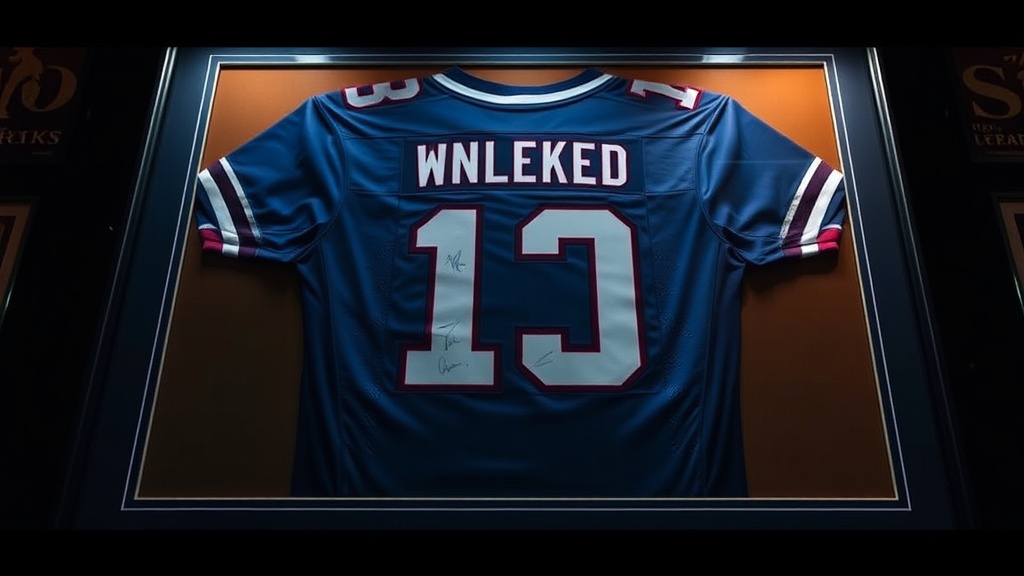
The best way to display a signed jersey without damage involves using UV-protective glass, acid-free mounting materials, and keeping the frame away from direct sunlight and humidity. Proper framing preserves both the jersey's condition and the signature's integrity—turning a valuable collectible into wall-worthy art that'll last decades. This guide covers everything from selecting the right frame style to choosing between DIY and professional framing services. Whether you've got a game-worn Michael Jordan rookie or a signed Messi jersey from the 2022 World Cup, the framing decisions you make now will determine how that piece looks—and what it's worth—twenty years from now.
What Type of Frame Should You Choose for a Signed Jersey?
You should choose a deep shadow box frame with at least 2 inches of depth to accommodate the jersey's natural bulk without compression. Standard picture frames won't work—the fabric needs room to breathe and maintain its shape.
Here's the thing: not all shadow boxes are created equal. The cheap ones at craft stores might look fine on the shelf, but they often use regular glass and cardboard backing that'll slowly destroy your jersey over time. For a piece you're serious about, you'll want to invest in conservation-grade materials.
Look for these specific features when shopping:
- UV-protective glass or acrylic — blocks 99% of harmful rays that fade signatures and fabric
- Acid-free matting and backing — prevents yellowing and fabric degradation
- Deep profile (2-3 inches) — gives the jersey dimension without squashing it
- Solid wood construction — avoids warping that can stress the display
The catch? Quality doesn't come cheap. A professional-grade Michaels custom shadow box starts around $150, while museum-quality frames from specialty shops like Framebridge can run $300-600 depending on size and features. That said, when you're protecting a jersey worth thousands (or that might be worth thousands someday), skimping on the frame is penny-wise and pound-foolish.
Size matters too. A standard basketball jersey needs roughly a 32" x 40" frame. Football jerseys run larger—typically 36" x 44". Hockey sweaters are the smallest, usually fitting comfortably in 30" x 36". Always measure your specific jersey first, accounting for how you'll arrange the sleeves and whether you're including photos or patches alongside it.
How Much Does Professional Jersey Framing Cost?
Professional jersey framing typically costs between $250 and $800 depending on the provider, materials selected, and any add-ons like engraved nameplates or photo inclusions. National chains like Michael's and JOANN offer the most affordable options, while specialty sports memorabilia framers charge premium prices for museum-quality work.
| Framing Option | Price Range | Pros | Cons |
|---|---|---|---|
| Michael's Custom Framing | $250-$400 | Convenient locations, frequent coupons | Variable quality by location, upselling pressure |
| JOANN Fabric & Crafts | $200-$350 | Budget-friendly, decent selection | Limited sports-specific expertise |
| Framebridge | $350-$600 | Online convenience, quality materials | Can't see in person before buying |
| Local Sports Memorabilia Framer | $400-$800 | Expert handling, authentication knowledge | Higher cost, limited locations |
| DIY Kit (e.g., Ultra Pro) | $80-$150 | Significant savings, full control | Requires skill, no professional finish |
Worth noting: many collectors don't realize that improper framing voids authentication from companies like PSA/DNA and Beckett. If you're planning to sell someday—or just want that peace of mind—using a framer who understands memorabilia authentication standards matters more than you might think.
Some high-end framers (think specialty shops in major cities) offer services like invisible mounting—using clear monofilament to "float" the jersey without visible pins or stitches. It's stunning visually but adds $150-200 to the base price. For most collectors, standard acid-free pinning or sewing provides adequate display quality without the premium.
Should You Frame the Jersey Yourself or Hire a Professional?
You should hire a professional if your jersey holds significant monetary or sentimental value, while DIY framing works fine for lower-value pieces where perfect presentation isn't critical. The decision ultimately depends on your budget, skill level, and what's actually hanging on the line.
DIY framing has come a long way. Companies like Ultra Pro and Ballqube sell jersey framing kits that include pre-cut mats, folding templates, and basic shadow boxes. These run $80-150 and can produce perfectly acceptable results—especially for jerseys that aren't rare autographs. You'll need a clean workspace, patience, and a willingness to watch several YouTube tutorials first.
The real challenges with DIY? Getting the jersey centered and taut without stretching the fabric, cutting mats cleanly ( invest in a quality mat cutter or don't bother), and achieving that "gallery" finish that professionals deliver. It's harder than it looks. A crooked jersey in a cheap frame screams "I did this myself"—not always the vibe you want in a home office or man cave.
That said, if you've got five jerseys to frame and a $400 budget total? DIY might be your only realistic option. Just don't experiment on your grail piece first. Practice on a replica or unsigned jersey until you've got the technique down.
Questions to Ask a Professional Framer
Before handing over your precious cargo, vet your framer with these questions:
- "Do you use conservation-grade, acid-free materials throughout?" — Anything less risks long-term damage.
- "What's your experience with sports memorabilia specifically?" — General framers handle wedding photos; you want someone who knows jerseys.
- "Can you show me examples of your completed jersey frames?" — Photos don't lie. Look for straight lines, even tension, and clean finishing.
- "Do you offer UV glass upgrades, and what's the additional cost?" — This should be non-negotiable for signed pieces.
- "Will this framing method affect authentication or resale value?" — A knowledgeable framer understands the collectibles market.
Where's the Best Place to Hang a Framed Signed Jersey?
The best place to hang a framed signed jersey is an interior wall away from direct sunlight, windows, HVAC vents, and humid areas like bathrooms or kitchens. Ideal conditions include stable temperatures between 65-75°F and humidity levels around 45-55%.
Sunlight is a jersey's worst enemy. Even with UV-protective glass, prolonged exposure to natural light will fade autographs over years—especially Sharpie signatures on dark fabric. That gorgeous den with floor-to-ceiling windows? Beautiful room, terrible choice for your signed Tom Brady rookie. Instead, look for walls that receive indirect light or install blackout curtains for protection.
Temperature fluctuations cause expansion and contraction in both the frame and jersey materials. Hanging your frame above a fireplace—tempting as it is for that classic sports den look—exposes it to heat cycles that'll warp the frame and potentially damage adhesives. The same goes for exterior walls in climates with extreme seasonal swings.
Height matters for viewing and preservation. Eye level—roughly 57-60 inches from floor to center of the frame—is the sweet spot. Too high and you're straining to see details; too low and you're inviting dust, accidents, and curious hands (whether from kids, pets, or tipsy party guests).
For collectors with multiple jerseys, consider grouping them thematically—by team, by era, or by sport. Three framed jerseys arranged horizontally make a striking visual statement. Five or more starts looking like a hall of fame installation. Just ensure consistent framing styles—mixing a sleek black modern frame with an ornate gold traditional one creates visual chaos rather than collection cohesion.
How Do You Maintain and Clean a Framed Jersey?
Maintaining a framed jersey requires gentle dusting with a microfiber cloth, occasional glass cleaning with ammonia-free spray, and annual inspections for signs of moisture damage or insect activity. Never use water, cleaning solutions, or pressure on the jersey itself while it's framed.
The glass (or acrylic) is your only cleaning surface. Use a soft, lint-free cloth and a cleaner specifically labeled ammonia-free—ammonia can slowly degrade certain frame finishes and sealants over time. Spray the cloth first, never the glass directly. Liquid seeping under the frame edge causes mold, mat staining, and potential jersey damage.
Every six months, take a close look at your frame's corners and backing. Are the corner joints tight? Is the backing paper intact? Any sign of moisture, discoloration, or insect droppings means immediate action—unframe the jersey if necessary and consult a conservator. Catching problems early separates collectors who preserve value from those who watch it deteriorate.
If you notice signature fading despite proper UV protection, document it with dated photos. Authentication companies can sometimes re-evaluate fading signatures, but you need photographic evidence of the decline. Some collectors even frame photocopies of authentication certificates behind the jersey—smart move if you ever need to prove provenance during a sale.
"The frame isn't just decoration—it's preservation infrastructure. Treat it that way, and your jerseys will outlast you." — Common sentiment among serious memorabilia collectors
Eventually, even the best frames need refreshing. Every 10-15 years, consider having a professional re-evaluate the materials. UV coatings degrade. Acid-free mats can become slightly acidic over decades as they absorb atmospheric pollutants. A reframing session—expensive as it sounds—is cheaper than replacing a faded Michael Jordan autograph.
Display your collection proudly, but remember: these items are historical artifacts. The jersey Kobe wore during his farewell game. The Messi shirt from the World Cup final. Proper framing honors both the athlete and the collector's investment. Get it right, and that framed jersey becomes a conversation piece, a memory anchor, and a store of value—all hanging there on your wall, protected, pristine, perfectly presented.
Steps
- 1
Choose the Right Frame and Shadow Box
- 2
Prepare and Position Your Jersey Properly
- 3
Seal with UV-Protective Glass and Hang Securely