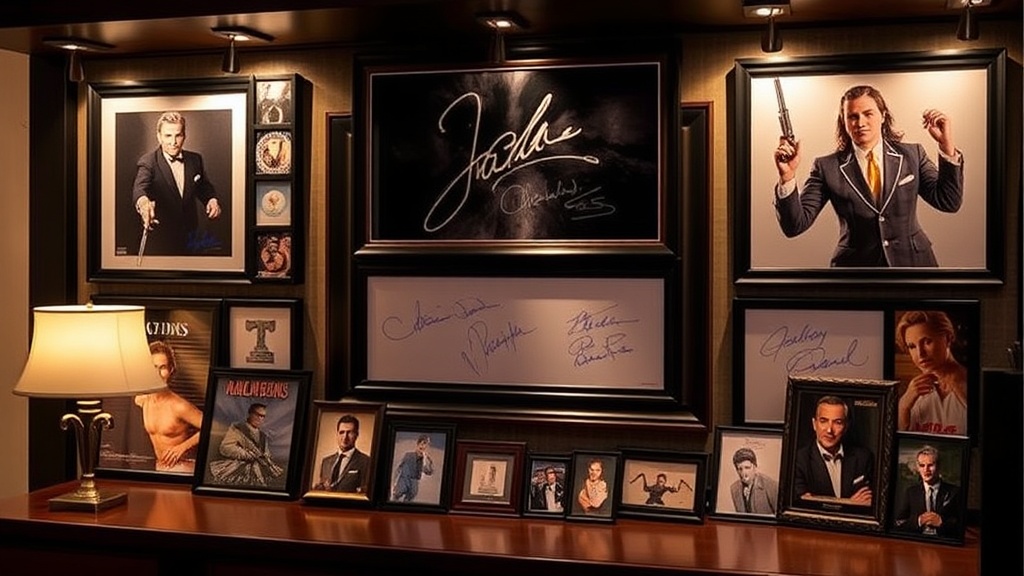
Creating the Perfect Display for Your Signed Collection

A collector spends years tracking down a specific 1970s West Germany kit, only to have it sit in a dark cardboard box in a basement for three years. When they finally pull it out to show a friend, the colors are muted and the fabric looks limp. That's a tragedy. This guide covers the practical steps for displaying signed jerseys and memorabilia, focusing on lighting, framing, and structural integrity to ensure your items look as good as the day you bought them.
What is the best way to display a signed jersey?
The best way to display a signed jersey is by using a specialized jersey frame that provides structural support and protects the fabric from dust. You shouldn't just hang a jersey on a plastic hanger and call it a day. A dedicated display frame keeps the garment flat and prevents the weight of the fabric from pulling on the collar or the signature itself.
When you're looking at display options, you'll see two main styles: shadow boxes and full-frame displays. Shadow boxes are great because they provide depth, allowing you to layer items like trading cards or even a ball alongside the jersey. Full-frame displays are more traditional and keep the jersey looking sleek and modern against a flat background.
One thing to remember—don't use cheap pins or clips to attach the jersey to the backing. These can snag the delicate mesh or knit of a vintage kit. Instead, look for frames that use specialized mounting systems designed for textiles. This prevents the jersey from sagging over time.
If you're displaying a more delicate item, like a vintage football shirt, you might want to check out the technical specifications of different fabrics to ensure your mounting method won't cause permanent creasing or damage.
Displaying different types of memorabilia
Not every piece of memorabilia is built the same way. A heavy, thick hockey jersey requires a much different mounting strategy than a lightweight soccer kit or a signed baseball jersey. Here is a quick breakdown of how to approach different items:
- Football (Soccer) Kits: These are often lightweight. Use a breathable backing to prevent moisture buildup.
- Basketball Jerseys: These can be heavy. Ensure the frame is sturdy enough to handle the weight without bowing.
- Baseball Jerseys: Often button-down. These look best when the buttons are neatly aligned and the fabric is tensioned slightly.
- Signed Memorabilia (Balls/Caps): Use acrylic cases rather than flat frames to avoid crushing the shape of the item.
How much does UV protection cost?
The cost of UV protection varies depending on whether you are buying a pre-made frame or upgrading an existing one. You can find high-quality UV-resistant acrylic starting around $50, but professional-grade museum frames with high-end UV filtering can cost hundreds of dollars per piece.
It isn't just about the price tag, though; it's about the long-term value of your collection. If you have a high-value item, like a signed Michael Jordan jersey, spending a bit more on museum-grade glass or acrylic is a smart move. Standard glass lets in a massive amount of light that will eventually fade the ink of the signature and the color of the fabric.
I've seen collectors spend thousands on an item, only to use a cheap, non-UV-protected frame from a big-box store. That's a mistake. Once the ink starts to fade, it's gone. You can't "un-fade" a signature. This is why protecting ink from UV damage should be your first priority when choosing a display.
If you're on a budget, there are ways to mitigate this. You don't always need a $300 frame. You can place your displays in a room with controlled lighting or use UV-filtering film on your windows. It's a cheaper way to protect your investment without replacing every frame you own.
| Material Type | Pros | Cons | Best For |
|---|---|---|---|
| Standard Acrylic | Lightweight, affordable | Can scratch easily | Standard collections |
| UV-Resistant Acrylic | Blocks 90%+ UV rays | More expensive | High-value jerseys |
| Museum Glass | Virtually invisible, zero glare | Very expensive, fragile | Gallery-grade displays |
How do I prevent damage to my signed jerseys?
To prevent damage, you must control the environment by managing light exposure, humidity, and physical tension.
Light is the silent killer of collectibles. Even if it isn't direct sunlight, ambient light can cause gradual degradation. If your display is in a room with many windows, the risk is much higher. Always check if your frame uses "UV-filtering" or "UV-resistant" materials. If it doesn't explicitly state it, assume it doesn't have it.
Humidity is the second big issue. If you live in a damp area, moisture can get trapped inside a frame, leading to mold or even causing the ink to bleed. This is especially true for certain types of permanent markers used in autographs. If you see any signs of moisture on the inside of the glass, remove the jersey immediately and let it air out in a dry environment.
Physical tension is something people often overlook. If you stretch a jersey too tightly over a mounting board, you might create permanent wrinkles or even tear the stitching. A jersey should look "relaxed" in the frame, not like it's being stretched to its limits. This is particularly important when you're dealing with high-quality signed jerseys where the fabric's drape is part of its aesthetic value.
A few quick tips for long-term care:
- Avoid hanging displays directly above heaters or air conditioning vents.
- Never use adhesive tape directly on the fabric of the jersey.
- Rotate your collection occasionally to ensure no single side gets more light exposure than another.
- Keep the display away from kitchens or bathrooms where steam is prevalent.
The goal isn't just to show off the item, but to preserve it. A well-displayed jersey tells a story. A poorly-displayed one just looks like a piece of old laundry. Take the time to get the mounting right, and your collection will remain a centerpiece for years to come.