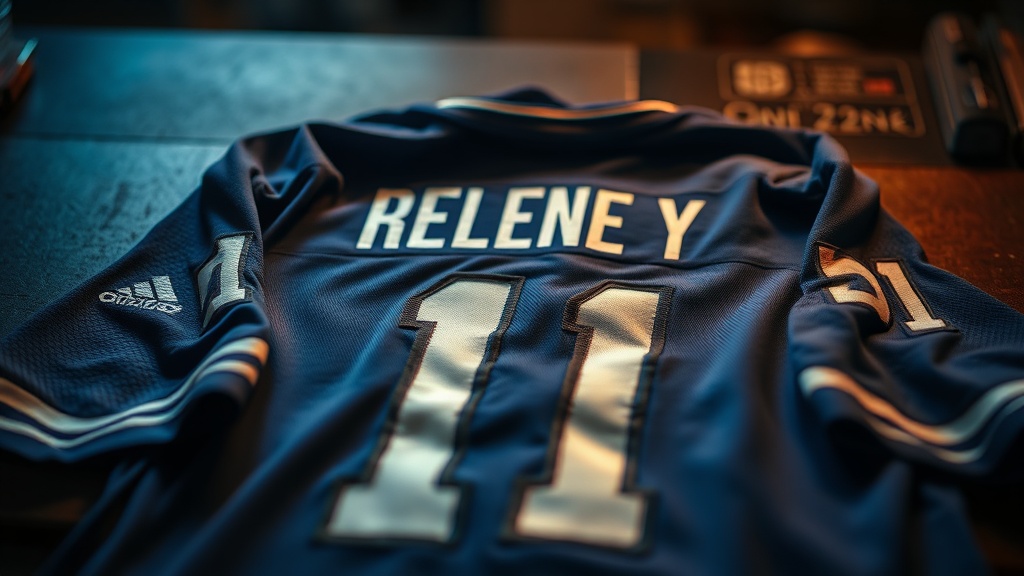
Bringing Back the Brilliance: Restoring Aged Signed Jerseys

Signed jerseys are more than just memorabilia; they are tangible pieces of sports history, capturing moments and careers in fabric and ink. Over time, however, even the most carefully preserved pieces can show signs of age, wear, or accidental damage. This guide will walk you through the nuanced process of assessing and addressing common issues with aged signed jerseys, providing practical steps to safely clean, mend, and rejuvenate your prized possessions without compromising the integrity of the autograph or the fabric itself. Understanding these techniques can significantly extend the life and visual appeal of your collection, protecting its historical and monetary value for years to come.
What are the primary concerns when restoring a signed jersey?
Before you even think about cleaning or mending, a thorough assessment is key. When dealing with an aged signed jersey, several critical factors demand your attention. The autograph itself is obviously the most delicate element. Its permanence, or lack thereof, dictates much of what you can and cannot do. Autographs from the early days of sports were often signed with fountain pens, which can be remarkably stable over time if stored correctly, but also very susceptible to moisture. Modern autographs, typically in permanent marker, offer greater resilience but aren't entirely invincible.
Fabric integrity is another significant concern. Older jerseys, particularly those made from natural fibers like wool or cotton, can become brittle, stained, or show signs of moth damage. Synthetic materials, while generally more durable, can still suffer from snags, pulls, or discoloration due to environmental factors. You also need to consider the jersey's overall construction – embroidered patches, heat-pressed numbers, and sewn-on letters all have different sensitivities to cleaning agents and physical manipulation.
Stains are a common adversary. Whether it’s a decades-old spill, dust accumulation, or dreaded yellowing from improper storage, identifying the stain's origin can help determine the safest removal method. However, aggressive stain removal attempts can cause irreversible damage to both the fabric and the autograph. Color fading, especially in sunlight or from harsh cleaning, can also diminish a jersey's appeal. It’s a delicate balance: addressing visible imperfections while meticulously avoiding any action that could degrade the original autograph or the jersey’s historical fabric. Always proceed with extreme caution; a poorly executed restoration can be far worse than leaving a piece untouched.
Can all types of damage on a signed jersey be reversed?
While the goal of restoration is to bring a piece back to its former glory, it’s important to acknowledge that not all damage is reversible. Some forms of degradation simply cannot be undone without risking the jersey's authenticity or further damage. Significant ink loss or fading of an autograph, for example, is often permanent. Once the pigment has degraded or rubbed away, there's no safe way to re-ink or ‘touch up’ an autograph without rendering it inauthentic and potentially destroying its value. The same applies to severe fabric damage like large tears, extensive moth holes, or irreparable shredding; while some mending is possible, a full reversal of such extensive damage is usually not.
Understanding these limitations is why professional conservators often preach a doctrine of minimal intervention – doing only what is necessary to stabilize and preserve, rather than attempting a complete cosmetic overhaul. For issues beyond simple surface cleaning or minor mending, seeking out a professional textile conservator or a specialist in sports memorabilia restoration is highly advisable. These experts possess the knowledge, tools, and experience to handle complex situations with the utmost care, often working in climate-controlled environments and using specialized archival-grade materials. They can assess whether a repair is feasible, advise on the best course of action, and execute delicate procedures that most collectors wouldn't or shouldn't attempt at home. Remember, the primary aim is preservation; sometimes, that means accepting minor imperfections rather than risking major damage.
Which techniques are safest for cleaning and mending signed apparel?
When it comes to the practical aspects of cleaning and mending signed apparel, gentleness is your guiding principle. Forget aggressive scrubbing, harsh chemicals, or — and this is a big one — machine washing. These methods are almost guaranteed to harm your valuable piece. For general dust and surface dirt, a soft-bristled brush or a lint roller (used very lightly, away from the autograph) can work wonders. Always test any cleaning method on an inconspicuous area of the jersey first, like an inside seam, to gauge its effect on the fabric and color.
For localized stains, spot cleaning is the safest bet. Use distilled water and a clean, white microfibre cloth. Dampen the cloth slightly and gently dab at the stain, working from the outside in. Avoid rubbing, which can spread the stain or damage fibers. For more stubborn marks, a very mild, pH-neutral soap specifically designed for delicate fabrics (e.g., archival textile soap) can be introduced, but only sparingly and with extreme caution. Always ensure thorough rinsing with distilled water afterwards, again by dabbing, to remove any soap residue. Never submerge an entire signed jersey, especially one with an autograph, unless advised by a professional conservator. You can learn more about general textile care from institutions like the